





West Bengal: Low-Cost Clean Energy Solutions Can Transform MSME Clusters
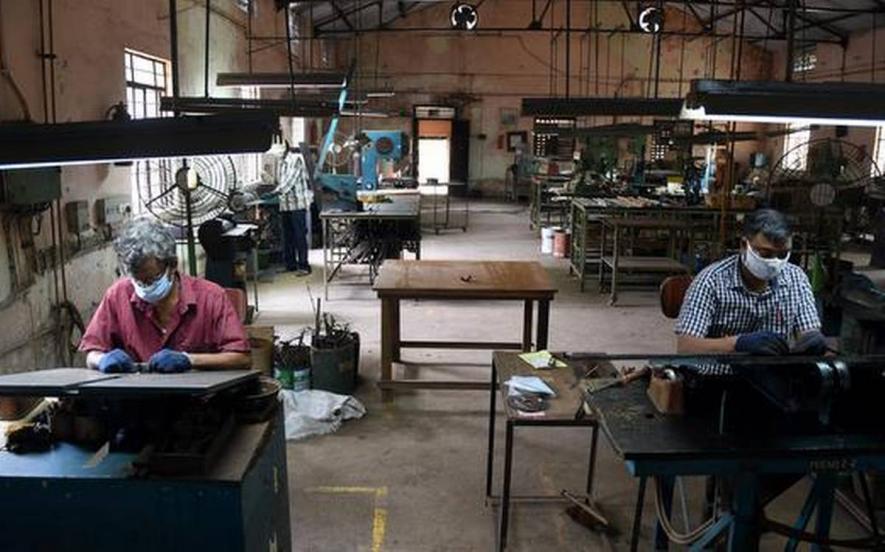
Representational image. | Image Courtesy: The Hindu
Kolkata: A new study has revealed that micro, small and medium enterprises (MSMEs) in West Bengal can significantly cut energy costs and emissions by adopting low-cost clean energy solutions. The findings, presented at a multi-stakeholder consultation in Kolkata, highlight practical interventions, such as rooftop solar, electric furnaces, motor optimisation, and power-factor correction that could reshape the future of energy-intensive clusters in the state.
The study, Energy Assessment of MSME Micro-Clusters in West Bengal, was jointly conducted by the Indian Institute of Social Welfare & Business Management (IISWBM) and Asar Social Impact Advisors. It examined four sub-sectors—silver filigree, engineering, galvanising, and wire drawing—across 15 representative micro-enterprises in Howrah and South 24 Parganas. By mapping energy use, cost burdens, and emission hotspots, the assessment identifies financially viable decarbonisation pathways that could strengthen competitiveness while reducing environmental impact.
Fossil Fuel Dependence and Inefficiencies
The study paints a stark picture of current energy practices in MSME clusters. Heavy reliance on fossil fuels, outdated furnace designs, under-loaded motors, and the absence of systemic energy monitoring have led to rising operating costs and avoidable emissions. These inefficiencies not only undermine profitability but also compromise occupational health and safety in workshops and small factories.
“Energy efficiency and cleaner technologies are no longer optional for competitiveness,” said Mou Sen, Joint Director at the Directorate of MSMEs, at the consultation. “Cluster-based approaches allow us to address these challenges in a structured and practical way. Documentation and registration of units are critical to ensure inclusivity and support for families running such enterprises,” she said.
Practical Interventions with Short Payback Periods
The report recommends a series of interventions that are both practical and cost-effective:
• Motor optimisation through power factor corrections and load management.
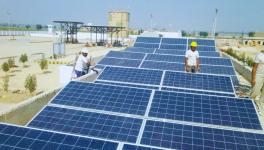
• Rooftop solar integration to offset grid electricity costs.
• Improved furnace operations to reduce energy consumption.
• Systematic energy monitoring to identify inefficiencies and track savings.
Krishna Murari Agrawal, Director of IISWBM, emphasised that decarbonisation does not have to be disruptive. “This study shows that MSME decarbonisation does not have to be expensive or disruptive. Even small, practical changes can cut costs, reduce emissions, and improve working conditions—especially in energy-intensive micro-clusters.”
The assessment finds that most recommended investments are financially viable, with short payback periods. This is particularly important for micro-enterprises, which often operate under severe financial stress. By reducing energy expenses, these interventions can improve competitiveness and sustainability without placing additional burdens on entrepreneurs.
Spotlight on Silver Filigree Cluster
One of the most compelling case studies in the report is the Magrahat silver filigree cluster, known for its centuries-old tradition of intricate jewellery making. Here, improved operational practices and efficient use of existing electric furnaces and machinery could significantly reduce energy consumption and electricity costs.
Beyond financial savings, these interventions promise to improve occupational health and safety, ensuring artisans can continue their craft in better working conditions. For a sector rooted in cultural heritage, the ability to modernise energy use while preserving livelihoods is a powerful example of how clean energy can support both tradition and progress.
MSMEs as Entry Points for Low-Carbon Future
“For micro-enterprises, energy decisions are ultimately about survival and competitiveness,” said Kankana Das, State Programme Lead. “This assessment shows that clean energy adoption is not a long-term ideal, but a practical, low-cost pathway to reduce expenses, improve working conditions and remain competitive. With the right guidance and support, MSME micro-clusters can become powerful entry points for India’s low-carbon industrial future”, she said.
Her remarks underscore the broader significance of the study. MSMEs account for a substantial share of India’s industrial activity, yet they often lack access to resources and expertise for energy transition. By focusing on micro-clusters, the study demonstrates how collective action and targeted support can unlock scalable solutions.
Policy and Institutional Support
The consultation in Kolkata marked the beginning of focused discussions on MSME energy transition in select micro-clusters. Stakeholders emphasised the importance of evidence-based support, registration of units, and structured cluster-level interventions.
The role of institutions like IISWBM and Asar Social Impact Advisors is crucial in bridging research, policy, and practice. IISWBM, established in 1953 as India’s first management education institute, offers specialised programmes in energy, environment, healthcare, and logistics. Asar Social Impact Advisors, a startup that says it is committed to climate resilience and social justice, brings expertise in strategy development rooted in local contexts. Together, their collaboration highlighted the importance of interdisciplinary approaches to climate action—combining academic rigour with grassroots insights.
Broader Implications for Climate and Competitiveness
The findings resonate beyond West Bengal. Across India, MSMEs face similar challenges of outdated technology, rising energy costs, and limited access to clean energy solutions. The study demonstrates that decarbonisation is not just an environmental imperative but a business necessity.
By adopting low-cost interventions, MSMEs can reduce expenses, improve working conditions, and enhance competitiveness in increasingly demanding markets. Moreover, cluster-based approaches create opportunities for collective bargaining, shared infrastructure, and knowledge exchange—further reducing barriers to adoption.
A Pathway to Inclusive Growth
The emphasis on registration and documentation of MSME units is particularly significant. Many micro-enterprises operate informally, limiting their access to government schemes, financing, and technical support. Ensuring inclusivity through formal recognition can empower families running such units, enabling them to benefit from clean energy transitions.
This aligns with broader goals of inclusive growth, where climate action is integrated with social justice and livelihood preservation. For artisans in Magrahat or small engineering units in Howrah, clean energy is not just about reducing emissions—it is about sustaining livelihoods, improving health, and securing competitiveness in a changing economy.
Conclusion
The energy assessment of MSME micro-clusters in West Bengal offers a blueprint for practical, low-cost energy transition in India’s small-scale industries. By focusing on micro-clusters, the study highlights how collective action, targeted interventions, and institutional support can deliver significant benefits.
As India pursues ambitious climate goals, MSMEs will play a critical role in shaping the country’s low-carbon industrial future. The findings from West Bengal demonstrate that clean energy adoption is not a distant aspiration but an immediate, viable pathway for survival, competitiveness, and resilience.
For policymakers, entrepreneurs, and communities alike, the message is clear: small changes can make a big difference. And in the workshops and clusters of Howrah, South 24 Parganas, and Magrahat, the seeds of India’s clean energy future may already be taking root.
Get the latest reports & analysis with people's perspective on Protests, movements & deep analytical videos, discussions of the current affairs in your Telegram app. Subscribe to NewsClick's Telegram channel & get Real-Time updates on stories, as they get published on our website.