





Trump Accepts Iran’s 10-pt Proposal; 2-Week Ceasefire For Talks
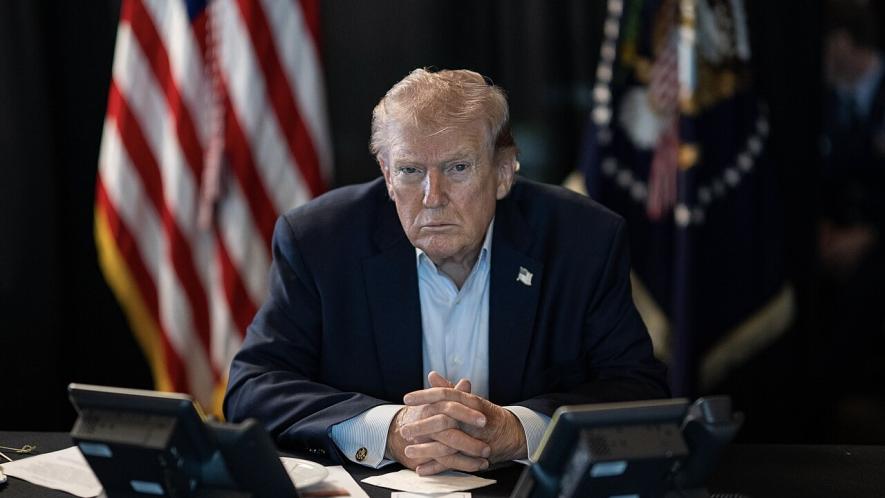
President Donald J. Trump at the beginning of Operation Epic Fury on March 1, 2026. Photo: The White House
As much of the world waited anxiously for 8pm on Tuesday, April 7 (the time that the White House had threatened a major escalation), US President Trump made a sudden announcement:
“I agree to suspend the bombing and attack of Iran for a period of two weeks. This will be a double sided CEASEFIRE!” Trump wrote on Truth Social.
“We received a 10 point proposal from Iran, and believe it is a workable basis on which to negotiate,” he added.
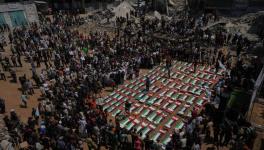
The announcement came just one hour before Trump’s declared deadline of 8pm and followed a series of aggressive threats widely interpreted as intent for mass civilian harm. US-Israeli attacks already took the lives of over 3,000 Iranians and have caused widespread damage to vital civilian infrastructure like hospitals, schools, bridges, and more.
The deal between the US and Iran was brokered by Pakistani Prime Minister Shehbaz Sharif who noted in a post on X that “the Islamic Republic of Iran and the United States of America, along with their allies, have agreed to an immediate ceasefire everywhere including Lebanon and elsewhere, EFFECTIVE IMMEDIATELY.”
This announcement confirms speculation about whether or not a ceasefire in Lebanon would be included in the upcoming talks between US and Iran, which had been a central demand of Iran throughout the last several weeks. The news is likely to spark the ire of Israel whose ambitions of expansion into Lebanon are for the moment curtailed.
The announcement by the US has been framed as a major victory for Iran which refused to cave on its demands set forth in its 10-point proposal despite unprecedented threats by the Trump administration.
On Tuesday morning, Trump had said in a Truth Social post, “A whole civilization will die tonight, never to be brought back again”, if Iran failed to make a deal acceptable to the US by 8pm Tuesday.
Meanwhile, US lawmakers and analysts worldwide had described Trump’s threat as “unhinged” and “genocidal”. Critics argued that such threats implied the deliberate targeting of civilians and vital infrastructure, which could violate the Geneva Conventions. Some raised serious concern that the president might be signaling the use of nuclear weapons.
Trump backs down
However, Trump apparently reversed course (under pressure from whom remains to be seen), retracting all of his threats and instead securing a two-week ceasefire agreement with Tehran.
In his Truth Social post, the president went on to claim that the US sought a ceasefire because it had “already met or exceeded all military objectives”. He also claimed that the widespread destruction of Iran was suspended “subject to the Islamic Republic of Iran agreeing to the COMPLETE, IMMEDIATE, and SAFE OPENING of the Strait of Hormuz”.
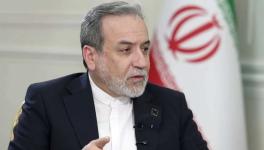
Iran’s Supreme National Security Council announced that it accepted the ceasefire. But it is maintaining sovereignty over the Strait of Hormuz, only agreeing to allow safe passage through it if vessels coordinate directly with Iranian armed forces.
Since the reopening of the Strait of Hormuz was not an issue before the US and Israel launched this war, many analysts find it difficult to count it as an achievement of the US from the war. On the other hand, Iran seems to have forced the US to at least generally agree to all of its major conditions, which the Supreme National Security Council says represents a historic victory for the Iranian people.
However, in its statement, the Supreme National Security Council affirmed that Iran will not rest until it achieves all of its goals: “Iran’s historic decision, backed by the unified support of the entire nation, is to continue this battle for as long as necessary until its immense achievements are consolidated and new security and political equations in the region are established, based on the recognition of Iran’s and the Resistance’s power and supremacy.”
The next few days will be of crucial importance for not only Iran and the United States, but the entire world. The US-Israeli war on Iran has had global impacts. The international price of crude oil reached historic heights, countries across South and Southeast Asia implemented fuel rationing measures to deal with shortages, and nations across the world were wracked with the knock-on effects of increased prices of everyday goods. Trump himself now faces an uphill battle domestically as opposition lawmakers have expressed intentions to impeach the head of state over starting a war in violation of US and international law.
Courtesy: Peoples Dispatch
Get the latest reports & analysis with people's perspective on Protests, movements & deep analytical videos, discussions of the current affairs in your Telegram app. Subscribe to NewsClick's Telegram channel & get Real-Time updates on stories, as they get published on our website.