





India’s Disaster Management in Age of Climate Extremes
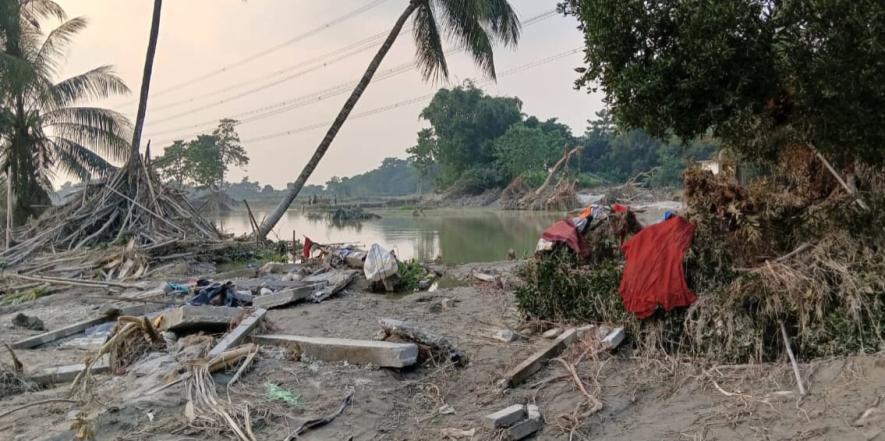
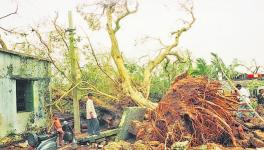
There is an increase in climate-related disasters in India. For example, there have been flash floods in the Himalayas, strong cyclones along the eastern coast, and long heatwaves in the north and centre. These events are no longer one-time; these are now part of a bigger pattern of climate instability that is changing the country's economy and environment.
The government often talks about how it is improving its ability to respond to disasters, but the growing size and complexity of climate extremes are showing deeper problems with India's disaster management system, especially the lack of reliable hyperlocal data that is needed for good preparedness and response.
India has built a strong institutional framework for disaster management over the past 20 years. After the deadly Indian Ocean tsunami in 2004, the government passed the Disaster Management Act of 2005. This law set up the National Disaster Management Authority (NDMA) and gave the National Disaster Response Force more responsibilities. The purpose of these groups is to help the country work together to get ready for disasters, respond to them, and recover from them.
The system has helped India respond to disasters better in many ways. For example, cyclone warning systems have cut the number of deaths along the eastern coast by a huge amount. The India Meteorological Department (IMD) now makes more accurate weather predictions, and evacuation plans are better organised. Cyclones that used to kill a lot of people now kill fewer people because communities get warnings sooner and authorities can plan evacuations better.
But climate change is changing the way disasters happen in ways that our current systems can't handle. Heavy rainstorms are happening more often, which leads to flash floods and landslides in places that didn't have to deal with these kinds of problems before.
In big cities, urban flooding happens a lot because the drainage systems can't handle sudden heavy rains. Heatwaves are getting stronger and lasting longer, which hurts millions of people, especially those who work in informal jobs without proper protection.
Because of these changes, we need a new way to manage disasters that focuses on both response and prevention. Still, India's disaster management is mostly reactive instead of proactive.
A big problem with this system is that it doesn't have any hyperlocal environmental data. National groups make general predictions and regional warnings, but the data often doesn't show what is really happening in specific districts, villages, or neighborhoods. Even in small areas, the risks of disasters can be very different. One village might be in danger of landslides because of unstable slopes, while another nearby village might be in danger of flooding from a river. Policymakers can't tell the difference between these things without hyperlocal monitoring and forecasting.
The problem is both technological and institutional. Most of the time, disaster planning in India happens at the national and state levels. But the effects of extreme weather are strongest at the local level. A lot of the time, district and city governments don't have the data infrastructure they need to keep track of changes in the environment in real time.
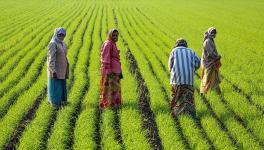
Not knowing about hyperlocal climate can be very bad in rural areas where farming depends a lot on the weather. Farmers use seasonal forecasts to decide when to plant and water their crops. But these choices are riskier when it rains out of the blue or in short bursts. When crops fail because of sudden floods or droughts, it can make life even harder for people who are already in a bad situation.
The growing number of heatwaves shows how limited current disaster management systems are. The IMD sends out heatwave warnings for the whole country, but the effects of very high temperatures can be very different from one neighborhood to the next. Urban heat islands are places where a lot of buildings trap heat, and they can be several degrees warmer than the areas around them. Authorities can't tell which communities are most at risk without hyperlocal monitoring technologies.
Disaster management needs to use more data to fix these problems. Satellite monitoring, remote sensing, and environmental sensors have all gotten better to the point where they can now get very precise data about the weather and the environment. When we add this information to what we already know about the area and get people involved, we could be much better prepared for disasters.
Some projects have already started to look into this way. Several cities are trying out urban climate monitoring networks that keep an eye on air quality, temperature, and rainfall in specific neighborhoods. Private environmental data platforms are also working on technologies that use both satellite images and sensors on the ground to give more detailed information about the environment.
But these efforts are not well-organised and are limited in what they can do. In order to use hyperlocal data in national disaster management plans, we need to keep spending money on environmental monitoring infrastructure and get scientific institutions, local governments, and disaster response agencies to work together more.
Involving communities in disaster preparedness is just as important.
People who live in an area often know a lot about environmental hazards, like where floods are likely to happen, where landslides are likely to happen, and how the weather has changed over time. Using both scientific data and observations from the community could make early warning systems work better.
The future of India's climate will depend on how quickly its institutions adapt to this new reality. The country has shown that working together can lower the number of deaths in disasters, especially cyclones. But the increasing number of climate extremes calls for more basic changes to the way environmental data is gathered, shared, and used.
Disaster management would keep working with incomplete information, dealing with problems after they happen instead of stopping them from happening in the first place. As climate disasters become a permanent part of the ecosystem, it is getting harder and harder to explain these limits.
Disaster management can't depend on broad forecasts and reactive response systems in a time when climate extremes are becoming the new normal. India will keep dealing with climate disasters with incomplete information if it doesn't get hyperlocal environmental intelligence. This means that the country will only respond to problems after they happen instead of stopping them from happening in the first place.
The writer is a columnist and climate researcher with experience in political analysis, ESG research, and energy policy. The views are personal.
Get the latest reports & analysis with people's perspective on Protests, movements & deep analytical videos, discussions of the current affairs in your Telegram app. Subscribe to NewsClick's Telegram channel & get Real-Time updates on stories, as they get published on our website.