





India’s Urban Heat Crisis is Also a Housing Crisis
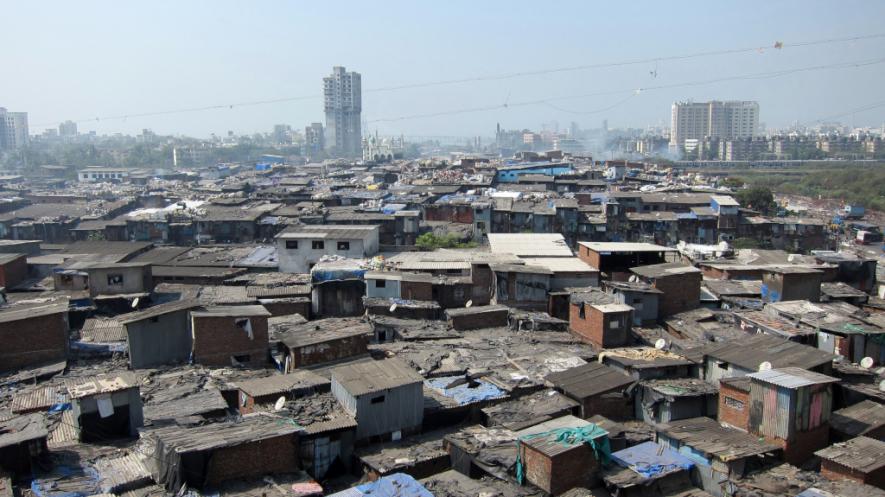
Image Courtesy: Wikimedia Commons
The heat is rising in India’s cities. But the crisis isn’t hitting everyone equally. Every summer we have worrying reports of rising temperatures, collapsing infrastructure, water shortages, and heat-related deaths. Cities, such as Delhi, Kolkata, Ahmedabad, Hyderabad, and Mumbai are seeing increasing intensity and duration of heatwaves, with the India Meteorological Department issuing several warnings of high heat conditions. But the mainstream discourse on heat in Indian cities is often constrained to heat as a climatic or environmental phenomenon. Indeed, India’s urban heat crisis is intrinsically tied to the country’s growing housing inequity.
Now, heat is not felt only outside. The most damaging temperatures are increasingly trapped inside poorly ventilated homes, or those without cooling systems, green cover, or thermal protection. Heatwaves are no longer just environmental disasters for millions of urban poor living in informal settlements, congested rented dwellings, and low-income neighborhoods.
That is why India’s urban heat problem is fundamentally inequitable. “Where you live, what your home is made of, whether you have energy, and the cost of cooling are all increasingly important factors in your ability to cope with extreme heat.”
The situation was worsened by the urban heat island effect. Concrete structures in tight clusters, asphalt roads, glass infrastructure, shrinking bodies of water, and disappearing green spaces absorb and trap heat all day long. Instead of cooling, cities continue to radiate stored heat back into the environment during the night.
Poorer populations are very vulnerable, whereas wealthier areas often mitigate this with air-conditioning, insulated homes, and green infrastructure. Informal settlements with tin roofs, plastic sheets, asbestos constructions, and poorly ventilated apartments intensify summer heat. In these communities, indoor temperatures can far exceed ambient temperatures, especially in dense urban areas with little air flow.
This exposes a truth that is often overlooked in climate policy conversations: housing quality has turned into a public health problem in the era of climate change.
India has seen rapid urbanisation but not much investment in affordable and climate-resilient housing. Millions of migratory workers and low-income families still live in settlements without basic infrastructure, such as water, sewage, power, and cooling systems. These vulnerabilities are particularly dangerous in heatwaves. Sometimes families have to make hard decisions between paying for their electricity bills for cooling systems and coping with rising food and living costs.
Many households see little relief even from fans as indoor temperatures remain dangerously high throughout the night. Air-conditioning still remains out of the reach of a large section of India’s urban population, both in terms of cost and irregular electrical supply. And if the temperature goes up even more, cooling risks becoming another form of inequity.
Women, children, the elderly, and informal labourers are among the most intensely pressured groups in these living conditions. Women who have longer working hours in the home as caregivers or housekeepers are often exposed to persistent heat. The elderly and people with pre-existing illnesses are particularly vulnerable to dehydration, cardiovascular stress, and respiratory difficulties during prolonged heatwaves. Children growing up in overheated communities face higher health risks, including sleep disruption, hunger, and cognitive stress from exposure to high heat.
Urban housing and public health planning are thus no longer separate.
Housing and heat are also tightly linked to labour inequality. Many informal workers, such as construction labourers, street sellers, sanitation workers, delivery workers, domestic workers, and manufacturing workers form the backbone of the economy in India’s cities. After long hours of outdoor exposure to heat, they go home to homes that have little physical recovery from high temperatures. During heatwaves, occupational and residential exposures become mixed.
This results in what could be termed a heat vulnerability cycle. Workers are subjected to extreme heat, outdoors during the day and indoors at night. Without adequate recovery, heat stress builds up over time, which increases longer term health risks and decreases work productivity. Thus, climate change begins to affect not only health outcomes but also economic systems and labour sustainability in metropolitan areas.
India’s existing urban planning frameworks are still not prepared to deal with this reality. Cities such as Ahmedabad and Delhi have adopted Heat Action Plans that have improved emergency response, awareness campaigns, and early warning systems. However, most of these strategies are still applied with an emphasis on outdoor heat control rather than indoor thermal sensitivity. There are conversations in the public square about rationing water, issuing heat advisories, and setting up temporary cooling shelters, but the structural housing piece is often absent.
India’s affordable housing programmes have focused on quantity over climate resilience in the past. Government housing programmes have increased access to housing for many families, but thermal comfort, ventilation, reflecting materials, green design, and heat-resistant construction are often ignored. As climate conditions worsen, this strategy may be less viable.
The problem isn’t just building more houses. It’s about building homes that can withstand future climate changes. Urban planning experts increasingly argue that climate adaptation should be embedded directly in housing policy. These include cool roofs, reflective building materials, shaded public spaces, improved ventilation systems, passive cooling design, rooftop gardens, urban tree cover, and smarter settlement planning.
Several Indian towns have tried out cool-roof projects, painting rooftops in vulnerable communities with reflective white coatings, and have found promising results in lowering inside temperatures. But such measures are limited in the face of the scale of India’s urban housing need.
This is a political question too. In India, real estate-led urbanisation has often been marked by a focus on commercial growth, gated infrastructure, and speculative building, rather than equitable and climate sensitive planning. Wetlands, urban woods, lakes, and open spaces that once cooled our cities have been lost to rapid development. Environmental damage and housing inequality increasingly reinforce each other in many places, intensifying heat vulnerability for low-income populations.
Delhi is a no-brainer. Much of the city suffers from substantial urban heat island effects because of the vast construction and reduction of green cover. Informal colonies and resettlement zones can have much higher exposure to heat than affluent neighborhoods with better infrastructure and tree density. Similar patterns can be observed in Kolkata, Chennai, Hyderabad, and Mumbai where informal housing clusters are disproportionately affected by intense heat conditions.
The future of India’s cities will, therefore, hinge on whether they can forge sustainable and equitable forms of climate adaption. If housing is not included in climate policy, heatwaves could become one of the most serious urban inequality issues in the coming few decades.
The heat crisis is not a seasonal inconvenience any longer. It is reshaping urban vulnerability. Each temperature rise is a sign of a larger structural problem of housing injustice, infrastructural disparity, labour precarity, and unequal access to climate protection.
Weather warnings can’t solve India’s urban heat emergency. It calls for rethinking how cities are built, who they’re built for, and why climate resilience begins at home.
The writer is a columnist and climate researcher with experience in political analysis, ESG research, and energy policy. The views are personal.
Get the latest reports & analysis with people's perspective on Protests, movements & deep analytical videos, discussions of the current affairs in your Telegram app. Subscribe to NewsClick's Telegram channel & get Real-Time updates on stories, as they get published on our website.