





‘Energy’, the New Currency of Power: Who’ll Shape Next Global Order?
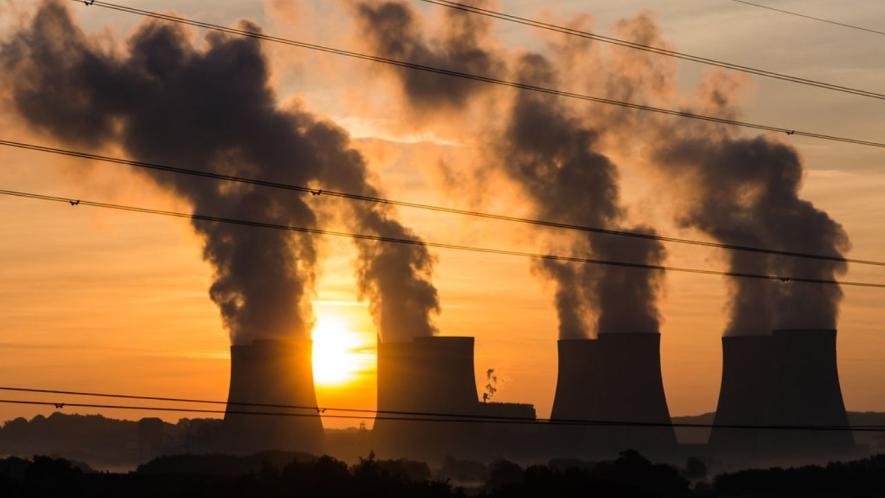
Representational Image. Image Courtesy: Flickr
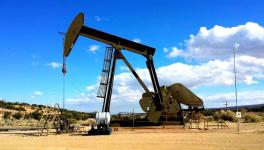
The rise and fall of great powers in history has been partly due to controlling energy. Coal was the bedrock of Britain's industrial supremacy. In the 20th century, the United States became a superpower because of its vast oil reserves, technological superiority, and control of world energy markets. As the world depended on their hydrocarbons, oil-rich Gulf monarchies became geopolitical heavyweights. But today the concept of energy power is being transformed by global energy transition.
Decades from now, countries with the biggest oil or gas reserves won’t be in charge. Instead, those countries that dominate the entire energy ecosystem – critical minerals, renewable energy technology, power grids, battery manufacturing, green hydrogen, and the supply chains that bind them – will gain more geopolitical clout. The battle for energy supremacy is entering a new phase, and may shape the international order as deeply as oil did in the last century.
From Oil Politics to Energy Politics
The 20th century was a story of fossil fuels. Oil access was often a motivating factor behind wars, alliances and diplomatic strategies. The 1973 oil embargo illustrated the power of energy-exporting countries to affect the world economy. Hydrocarbons also contributed to military conflicts in West Asia, maritime security in the Persian Gulf and the formation of strategic petroleum reserves. But today the equation is changing.
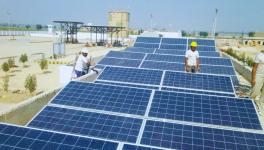
Climate change, the progress of technology and falling costs of renewable energy are all reducing our reliance on fossil fuels. Solar and wind are now some of the cheapest ways to make electricity in much of the world. Electric vehicles are changing the future of transportation. Governments are investing heavily in hydrogen and battery storage and smart power systems. Energy security is not only about oil imports, it is also about resilient, affordable and low-carbon energy systems. The change doesn’t end geopolitics. It changes it.
Critical Minerals: A New Strategic Resource
Minerals such as lithium, cobalt, nickel, graphite, copper and rare earth elements are used for making solar panels, wind turbines, electric vehicles and batteries. These resources are sought after by governments as they try to reduce their carbon footprint. This has created a new global contest for mining rights, processing capacity and supply chains. China already controls processing and refining of several critical minerals. It is also a major player in manufacturing batteries and dominates a large part of the global supply chain for solar panels. That manufacturing edge gives Beijing strategic power well beyond ownership of resources.
At the same time, countries like the United States, India, Australia, Japan and the European Union are seeking to diversify supply chains through new mining agreements and industrial regulations. Many of these mineral riches are found in Africa and Latin America, which have become more important as geopolitical battlegrounds. So, the new energy race is not simply about who controls the resources, but who controls the companies that turn resources into technology.
Electricity is Becoming a Strategic Infrastructure
Renewable energy does not depend on oil but on the infrastructure that connects producers and consumers in real time. The exchange of electricity across borders is booming in Europe, South Asia and parts of Africa. High-voltage transmission lines allow countries to share electricity generated by solar, wind and hydropower, while improving system stability and reducing costs. The growing interconnection is giving rise to new forms of diplomacy. Developing regional power markets earns countries economic influence through long-term infrastructure deals, not just resource exports.
The energy link can promote regional integration even with weak political cooperation, as witnessed in India’s trade in electricity with Nepal, Bhutan and Bangladesh. Power grids could be as strategic as pipelines one day. Technology will select the winners.
Geopolitical Power is no Longer Guaranteed by Natural Resources
The Democratic Republic of Congo has the world’s largest reserves of cobalt but reaps only a fraction of the economic value because most processing is done outside its borders. Likewise, lithium-rich nations are increasingly focusing on domestic refining sectors rather than exporting raw materials. Technology is the most valuable thing of today. Battery manufacturing, hydrogen electrolyzers, advanced semiconductors, smart grids, artificial intelligence for energy management and clean-energy innovation are building the foundation for economic competitiveness.
The countries that are leading in these technologies will set global standards, attract investment and influence global marketplaces.
Climate Policy is Re-Shaping Geopolitics.
Governments are increasingly coming to see climate policy as industrial policy. The US has deployed significant domestic clean energy manufacturing incentives. The European Union is bringing in carbon border controls and green industrial plans to improve its competitiveness. China continues to invest heavily in the renewable energy value chain and is also increasing its international energy investments.
Developing countries have a special problem. Several people have large quantities of renewable resources but do not have the financial and technological capacity to use them properly. They risk falling back into exporting raw materials and importing expensive technologies without investing in local manufacturing.
So the energy transition raises major questions of equity, development and technological sovereignty.
India’s Opportunities
India has a special place in this changing world. It has grand aspirations for one of the fastest growing electricity markets in the world, renewable energy, and is ramping up its investment in green hydrogen, battery development and domestic manufacturing. Attempts to broaden critical mineral partnerships with countries like Australia and Argentina reflect an increasing awareness that resource security must be paired with industrial development. However, substantial obstacles remain.
India still imports a lot of oil, gas, solar panels and parts for batteries. The ability to develop domestic manufacturing, invest in R&D, modernise electrical infrastructure and deepen regional energy cooperation will determine whether India will be a clean-energy leader or a consumer of foreign technology.
A New Definition for Power
The 21st century will be no world of energy-rich nations. It will go to those who can combine natural resources, technology, manufacturing, finance, infrastructure and diplomacy. Control of power grids may be as important as control of oil fields. Battery plants are as strategically important as refineries. The processing facilities for critical minerals may be more geopolitically important than the mines. The emerging global economy is increasingly organised around energy.
Countries that embrace this transition and invest appropriately will not only shape the future of energy, but the global balance of power as well. The contest is already in progress. This is no longer just a competition for petroleum, but a struggle for the architecture of the international order of the 21st century.
The writer is a columnist and climate researcher with experience in political research analysis, ESG research and energy policy. The views are personal.
Get the latest reports & analysis with people's perspective on Protests, movements & deep analytical videos, discussions of the current affairs in your Telegram app. Subscribe to NewsClick's Telegram channel & get Real-Time updates on stories, as they get published on our website.