





Iran Turns Strait of Hormuz Into Strategic Pressure Tool
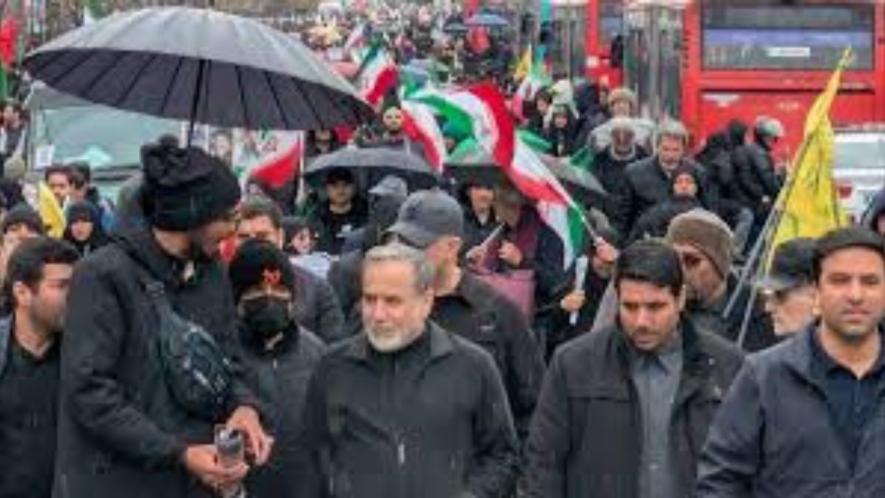
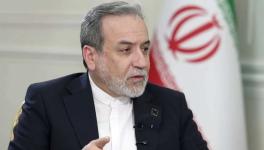
Leaders are seen participating in march in Tehran for Quds Day, despite continuous US-Israeli attacks. Photo: Abbas Araghchi/TG
Iran is using one of its most powerful asymmetric tools in the US-Israeli war on Tehran: the Strait of Hormuz. While many Western and Israeli assessments focused on a scenario in which Iran’s political leadership would collapse quickly or lose the ability to make strategic decisions, the opposite appears to have unfolded. Instead of threatening to block the vital waterway, Iran moved towards partial implementation of this decision, and sent shockwaves through global energy markets.
The decision was publicly announced by Iran’s new supreme leader, Mojtaba Khamenei, rather than conveyed through quiet diplomatic channels. The direct announcement carried several strategic messages. Domestically, it aimed to demonstrate that Iran’s political system remains stable and capable of taking decisive actions despite war pressures. Internationally, it announced that Tehran still holds powerful cards and is capable of reshaping the course of the war.
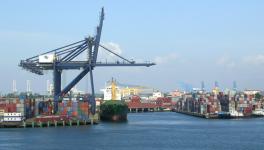
The Strait of Hormuz is one of the world’s most critical geopolitical chokepoints. Nearly one-fifth of global oil trade, which is about 21 million barrels per day, goes through the narrow passage linking the Persian Gulf to international markets. This reality gives Iran a powerful economic pressure tool against adversaries that possess overwhelming military and technological superiority. By disrupting shipping through the strait, Tehran can directly influence oil prices and dramatically increase the economic costs of war for its opponents and the global economy alike.
However, Iran’s move has not taken the form of a complete and indiscriminate blockade. Instead, the restrictions appear highly selective. Iranian measures have mainly targeted tankers belonging to countries participating in military operations against Iran or those providing bases and airspace for such attacks. Meanwhile, vessels from states that declared neutrality or avoided involvement in the war have been allowed limited passage. This selective approach allows Iran to transform the strait into a political tool.
“This means that a country’s stance on the war may now directly affect the safety of its energy supplies.”
The consequences of these developments could unfold in several ways. One possible scenario is a controlled containment of the crisis, where partial restrictions continue while behind-the-scenes negotiations take place. In such a case, the crisis could serve as leverage in broader talks involving Iran’s nuclear program and economic sanctions.
A second scenario involves escalating confrontation. The United States and Israel could attempt military strikes against Iranian naval infrastructure or coastal facilities. This could potentially prompt Iran to expand its retaliation to include Israeli ports or even facilities in Gulf states hosting American forces. Because of the risks involved, such escalation may remain unlikely.
A third and less probable outcome would be a sudden diplomatic breakthrough leading to the reopening of the strait through international mediation and political compromise.
Regardless of which path emerges, Iran’s use of the Strait of Hormuz has transformed the waterway from a theoretical pressure point into a real instrument of war.
This article was written by Yahya Dbouk and first published on Al-Akhbar.
Courtesy: Peoples Dispatch
Get the latest reports & analysis with people's perspective on Protests, movements & deep analytical videos, discussions of the current affairs in your Telegram app. Subscribe to NewsClick's Telegram channel & get Real-Time updates on stories, as they get published on our website.