





Invisible Debt: A Silent Trap in India’s Digital Finance
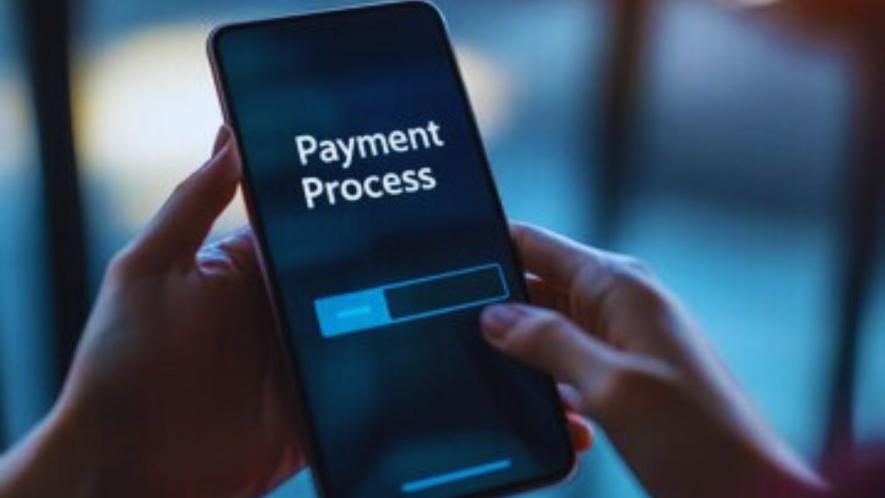
Representational image. Image Courtesy: RentKit
Ramesh, a young professional in Delhi, downloads a food delivery app. A pop-up offers him “instant rewards” if he activates a wallet feature. He clicks without thinking. What he doesn’t realise is that he has just opened a credit line. The debt will quietly accumulate, invisible in his bank statements and beyond the reach of traditional consumer protections.
This is not a rare case. Across India, millions of citizens are being nudged into debt relationships they never consciously agreed to. The rise of embedded credit—where loans are tucked inside apps, wallets, and digital platforms—represents the next frontier of financial risk. Unlike traditional loans, these debts are invisible, unregulated, and dangerously easy to trigger.
The Illusion of Convenience
Digital finance is celebrated for speed and inclusion. But convenience often hides complexity. Citizens are being turned into borrowers without their knowledge. “Buy Now, Pay Later” schemes, wallet activations, and instant offers are often disguised micro-loans. The danger is not just financial—it is constitutional. Consent, transparency, and accountability are being eroded in the name of innovation.
BNPL Explained – Why It Matters
BNPL stands for Buy Now, Pay Later. It lets you buy something today and pay for it later, often in small instalments. The fintech company or bank pays the shop upfront, and you repay them over time.
Why people like it:
- Quick approval, often inside apps.
- No need for a credit card.
- Payments split into smaller chunks.
The hidden problem:
- BNPL loans often don’t show up in your credit history. You could be piling up debt across multiple apps without realizing it.
- Late payments can attract heavy fees or interest.
- Regulators haven’t fully caught up, so protections are weaker than with traditional loans.
For ordinary citizens, BNPL feels like convenience, but it can quietly turn into invisible debt. What looks like a harmless payment plan is actually borrowing without knowing you’re borrowing.
Algorithmic Overreach
Algorithms now decide who gets credit, how much, and on what terms. There is no human banker to appeal to, no conversation about repayment capacity, no empathy for circumstance.
Your loan decision isn’t made by a banker anymore. It’s made by a program that doesn’t listen, doesn’t explain, and doesn’t care—it just calculates.
This isn’t just about technology—it’s about fairness. People are being pushed into debts they can’t see, without clear information, and without any real choice.
Institutional Complicity
Banks, once custodians of public trust, are now silent partners in the embedded finance revolution. By teaming up with fintechs, they chase fast growth while moving risks off their own balance sheets. What looks like innovation is often risk outsourcing — hidden from citizens until the cracks widen.
Case Study 1 – BNPL Partnerships
A private bank funds a fintech’s Buy Now, Pay Later programme. The fintech handles customer acquisition and bears the first layer of defaults. The bank reports loan growth without carrying reputational damage or balance sheet stress. Citizens, meanwhile, face opaque terms, hidden fees, and aggressive recovery practices.
→ Risk shifted: away from the bank, onto thinly capitalised fintechs and unsuspecting borrowers.
Case Study 2 – NeoBank Wallets
Banks plug their systems into fintech wallets, letting the apps run the show while they stay in the background. The fintech markets aggressively, but when fraud or technical failures occur, the burden falls on users. Banks still book transaction growth, while citizens struggle with poor grievance redressal.
→ Risk shifted: away from the bank, onto fintech operators and citizens with little protection.
Case Study 3 – Digital MicroLoans
Banks extend funding lines to fintechs offering instant microloans. Defaults are absorbed by the fintech, which often lacks capital buffers. Citizens face predatory interest rates and harassment from recovery agents.
→ Risk shifted: away from the bank, onto vulnerable borrowers and unregulated players.
The result? A shadow banking ecosystem operating inside apps, invisible to citizens and regulators alike. Debt is discovered only when recovery agents—or worse, automated app notifications—come knocking.
The regulator is watching the parade, while pickpockets are already in the crowd.
Citizen’s Toolkit – How to Spot and Resist Invisible Debt
-
Ask Questions: File RTIs (Right to Information) demanding disclosure of all embedded credit partnerships between banks and fintechs.
- Check Offers Carefully: Watch for “instant rewards” or “wallet activation” prompts. These often hide credit lines.
- Scrutinise BNPL Schemes: “Buy Now, Pay Later” is not free—it is a loan. Track your exposure.
- Document Harassment: If apps send repeated repayment nudges, take screenshots. These can be used in consumer complaints.
Reform Mandates – What Regulators Must Fix Now
-
Consent is missing today: Apps can activate hidden credit lines with a single click, often without clear warning.
Reform needed: The Reserve Bank of India (RBI) must enforce mandatory disclosure pop-ups so citizens know exactly when they are entering a loan agreement. - No public record of partnerships: Banks quietly tie up with fintechs to push embedded credit, but citizens have no way to know who is involved.
Reform needed: RBI should publish a public registry of all bank–fintech partnerships, so citizens can see who is offering what. - Algorithms act without appeal: AI (artificial intelligence) systems decide loan approvals and rejections, but citizens cannot challenge these decisions.
Reform needed: Citizens must have the right to appeal to a human officer, ensuring fairness and accountability. - BNPL loans are invisible: Buy Now, Pay Later schemes often don’t show up in credit histories, meaning citizens may unknowingly pile up debt.
Reform needed: All BNPL exposures must be reported to credit bureaus, so citizens have a full picture of their liabilities. - Digital recovery harassment is unchecked: Apps can send repeated repayment nudges or threatening notifications, with no consumer protection in place.
Reform needed: The Consumer Protection Act should be amended to cover harassment through digital recovery practices.
Closing Statement
Invisible debt is not innovation—it is institutionalised ambush. Citizens are being trapped in contracts they never signed, while regulators applaud “digital inclusion.” If India’s financial future is to remain democratic, visibility and consent must be restored.
Convenience without consent is not progress. It is fraud dressed as innovation.
The writer is a CAIIB (Certified Associate of the Indian Institute of Banking and Finance), has 37 years of work experience in the private sector and in a nationalised bank, and former All India Deputy General Secretary of All India Bank Officers’ Confederation.
Get the latest reports & analysis with people's perspective on Protests, movements & deep analytical videos, discussions of the current affairs in your Telegram app. Subscribe to NewsClick's Telegram channel & get Real-Time updates on stories, as they get published on our website.