





India Trades in Russian Oil for 7% Cut in US Tariffs
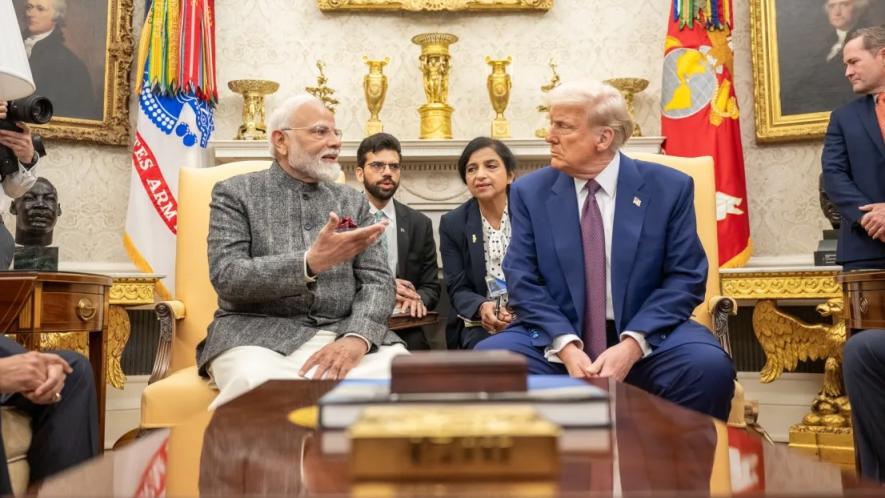
President Donald Trump hosts Prime Minister of India Narendra Modi on February 13, 2025. Photo: White House
US President Donald Trump announced the finalization of a trade deal with India on Monday, February 2, claiming India has agreed to eliminate all trade barriers on US products.
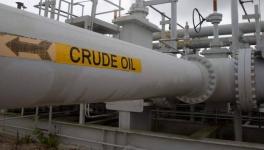
Trump claimed that India has also agreed to stop buying Russian oil and instead will buy more American and “potentially” Venezuelan oil in the coming days.
As per the deal, the US will reduce its reciprocal tariffs on Indian imports to 18% from 25% and withdraw the 25% additional tariffs imposed on India.
The US had initially imposed 25% tariffs on Indian imports in August as a part of its reciprocal tariff regime. It then also imposed an additional 25% tariff as penalty for importing Russian oil and allegedly helping its war efforts in Ukraine.
As per Trump’s announcement, India’s new reciprocal tariff rate is lower than its other Asian competitors in US markets, such as Indonesia (19%), Vietnam, and Bangladesh (20%).
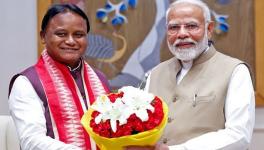
Hours after Trump’s announcement, Indian Prime Minister Narendra Modi thanked him, claiming the deal will benefit the people and “unlock immense opportunities for mutually beneficial cooperation.”
India has also agreed to buy over USD 500 billion worth of oil, coal, technology and agricultural products in the coming days, Trump claimed.
This is more than ten times the value of the current annual Indian imports from the US.
The US is India’s largest trading partner, with total trade between both the countries exceeding 131 billion USD in 2024-25. India bought a total of USD 46 billion worth of American products while it exported around 84 billion USD worth of goods to the US in that year.
This is the second such deal India has signed in the last few days. Last week it signed a Free Trade Agreement (FTA) with the EU, agreeing to lower or eliminate tariffs on over 96% of all imports from the region. In return, the EU agreed to reduce or eliminate tariffs on 99% of imports from India.
Both the deals have been criticized by India’s opposition parties, who have expressed apprehensions about the possible negative impact on the country’s domestic industry and agriculture. They have also hinted at the Indian government’s failure to resist pressure.
Surrendering to US dictates
The opposition parties in India claimed that the trade deal announced by Trump is “imbalanced” and looks like a “surrender” of the country’s crucial interests.
The main opposition, the Indian National Congress (INC), questioned the Indian government’s failure to resist Trump’s unilateral declarations about India not buying oil from Russia, calling it a violation of India’s sovereign rights.
It also questioned the government’s intentions behind removing all tariff and non tariff barriers on imports from American goods as harmful for Indian traders, industrialists and farmers.
Trade in agricultural goods is a sensitive matter in Indian politics due to its possible impact on the livelihoods of a substantial number of India’s population.
Almost 40% of India’s workforce is directly involved in agriculture. Farmers have been agitating for adequate prices for their produce for years now, claiming agriculture is no longer profitable for the majority of its farmers.
They have made a call for a nationwide strike on February 12, opposing the government’s policies which include the earlier trade deals with the UK and the EU.
The negotiations for the deal began months ago before Trump’s tariffs. It was reported earlier that the deal was stalled due to disagreements over US demands of access to India’s agricultural market.
Even Modi had claimed last year that he would never compromise on the interests of India’s farmers and fishermen, irrespective of the cost.
The opposition is claiming that the Indian government has now compromised on the interest of India’s millions of farmers by opening the Indian market to US agricultural products.
“Eliminating tariffs will result in flooding the country with US goods, which will adversely impact industries and workers’ livelihoods. Removal of non-tariff barriers would mean eliminating subsidies and other measures which support Indian farmers, the Communist Party of India (Marxist) said in a statement on Tuesday.
Several commentators in India also questioned the wisdom behind India buying more oil from the US.
India is the world’s third largest oil importer. The import of oil is one of the major reasons for the trade imbalance in the country. Expensive US oil, replacing the cheap Russian resource would make India’s import bill heavier.
The Modi government must take the parliament and the entire country into confidence and share all the details of the deal, both the CPI (M) and INC demanded.
Even in the US, a coalition of over 800 businesses called “we pay the tariffs” opposed the deal, claiming there is nothing for Americans to celebrate in it.
It noted that US tariffs will go up from 2% or 3% before the deal, to 18%, which is around a 600% increase in taxes which will be paid by the Americans, Reuters reported.
Trump’s reciprocal tariff regime is facing litigation in the US Supreme Court and it may be struck down as illegal.
Courtesy: Peoples Dispatch
Get the latest reports & analysis with people's perspective on Protests, movements & deep analytical videos, discussions of the current affairs in your Telegram app. Subscribe to NewsClick's Telegram channel & get Real-Time updates on stories, as they get published on our website.