





Govt Pushed to Negotiate as Fuel Strike Paralyses Kenya

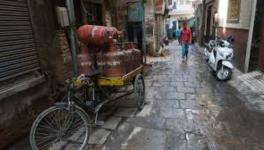
A massive transport strike paralyzes Kenya's roads on May 18-19. Photo: screenshot
Kenya experienced one of the largest transport shutdowns in recent history on Monday, May 18, 2026, when a nationwide strike over soaring fuel prices paralyzed public transport and disrupted economic activity across the country.
The strike, called by the Transport Sector Alliance and backed by motorists’ associations, matatu operators, cargo transporters, ride-hailing drivers, boda boda operators, school bus owners, and private motorists, brought movement in many towns and cities to a near standstill.
Late that night, the cabinet secretary for Energy and Petroleum, Opiyo Wandayi, announced a reduction of KSh 10 in fuel prices.
Rejecting the “meager” reduction immediately, the transport association insisted that the strike would continue until meaningful action was taken. The shutdown entered its second day and continued until Tuesday afternoon, when the cabinet secretary for the Ministry of Interior and National Administration, Onesimus Kipchumba Murkomen, announced that an agreement had been reached.
In a public statement, Murkomen detailed that the strike had been suspended following a meeting between the government and the representatives of the “public sector transport stakeholders”. He added that the Kenyan government “remains committed to resolving the cost of fuel challenge and cushioning Kenyans from the high cost of living.”
Transport comes to a standstill
The industrial action followed a sharp increase in fuel prices announced by the Energy and Petroleum Regulatory Authority (EPRA), with diesel rising by KSh 46.29 per liter and petrol increasing by KSh 16.65 per liter. In its latest review, EPRA stated that:
“In the period under review, the maximum allowed petroleum pump prices for Super Petrol and Diesel increased by KShs.16.65/liter and KShs.46.29/liter respectively while the price of Kerosene remains unchanged.”
In Nairobi, the new prices took effect at midnight, pushing Super Petrol to KSh 214.25 per liter (USD 1.65), Diesel to KSh 242.92 (USD 1.87), while Kerosene remained at KSh 152.78 (USD 1.18) for the next 30 days.
The increase immediately triggered outrage from transport operators and ordinary Kenyans already struggling with a deepening cost-of-living crisis. Diesel prices, in particular, have a direct impact on public transport, food distribution, electricity generation, and logistics, meaning the hike is expected to ripple through every sector of the economy.
By early morning, major bus terminals, matatu stages, and highways in Nairobi remained largely deserted. Commuters were stranded in estates and bus parks as schools, businesses, and offices struggled to operate. Several schools had already announced closures following Sunday evening’s strike declaration, while businesses across parts of Nairobi remained shut.
The motorists’ association described the shutdown as a “95% success,” insisting that the country had effectively come to a standstill.
In its statement issued on Sunday, May 17, 2026, the Transport Sector Alliance described the strike as a unified national action against what it termed unbearable and unjustified fuel prices.
The Alliance stated: “This action is not only for transport operators, but for every Kenyan citizen. The ordinary mwananchi is the ultimate victim of high fuel prices, paying more for transport, food, electricity, and essential commodities.”
The statement further argued that Kenya should not continue paying some of the highest fuel prices in the region, questioning why countries such as Ethiopia, despite being landlocked, maintained lower pump prices.
Government blames global oil crisis
The government, however, has maintained that the increases are tied to global instability, particularly the escalating conflict involving Iran and tensions around the Strait of Hormuz, one of the world’s most critical oil shipping routes. Officials argue that disruptions in global oil supply chains and rising international crude prices have forced adjustments in local fuel pricing.
But many Kenyans say the increases are excessive and reflect broader structural problems in Kenya’s economy, including heavy taxation, dependence on imported petroleum products, and the burden of debt-driven economic policies.
Protests across the country
Beyond the transport shutdown, protests erupted in several parts of the country, including Nairobi, Kitengela, Rongai, and Dagoretti, as residents took to the streets to oppose the fuel hikes and the rising cost of living.
The demonstrations quickly escalated into confrontations with police. By evening, reports indicated that at least four people had been killed, 30 injured, and 348 arrested during the protests.
The unrest is part of growing frustration in the country already grappling with unemployment, inflation and repeated waves of austerity measures. Over the past years, Kenya has witnessed increasing public anger over taxation, fuel prices, food costs, and state repression, particularly among young people and working communities.
Despite the suspension of the strike announced on May 19, the day remained largely paralyzed, with very little movement across the country and many businesses failing to open. Public transport was severely disrupted as the protests and shutdown continued to affect the majority of routes.
Courtesy: Peoples Dispatch
Get the latest reports & analysis with people's perspective on Protests, movements & deep analytical videos, discussions of the current affairs in your Telegram app. Subscribe to NewsClick's Telegram channel & get Real-Time updates on stories, as they get published on our website.