





The Genocide Continues in Gaza’s health System
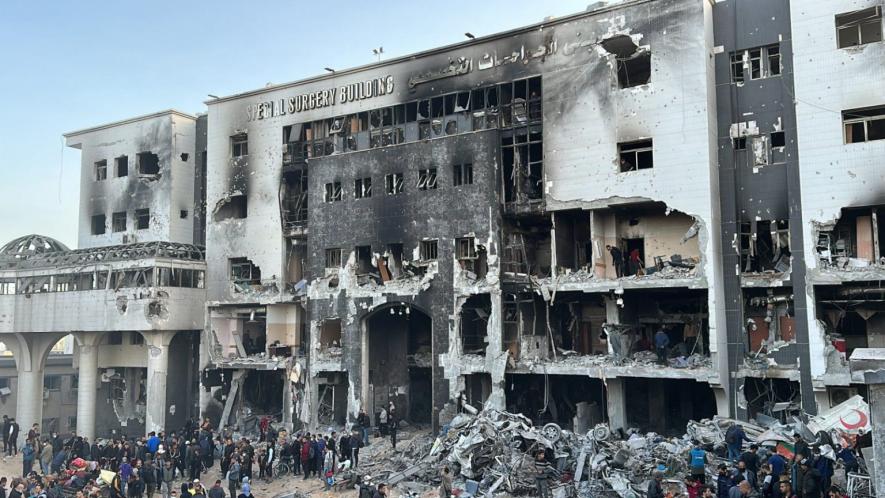
Al Shifa Hospital after a two-week Israeli siege, April 2024. Photo: WHO via X
“Israel’s genocide in Gaza might look different than it did a year ago, but it’s not over,” Medical Aid for Palestinians (MAP) warned this week, emphasizing that 46% of medications in the Gaza Strip have run out. Ongoing obstructions on entry of essential medical supplies – as well as international health professionals – jeopardize recovery for thousands of Palestinians, adding to health concerns caused by the systematic destruction of health infrastructure in the Strip.
The devastation of Palestinian healthcare by occupation forces means tens of thousands remain without adequate access to reconstructive procedures, putting them at risk of lifelong impairment. The destruction of public health and laboratory capacities also means most of Gaza’s mechanisms for monitoring antimicrobial resistance (AMR) have been erased, representing a threat not only for Palestinians – but for the whole world.
While international organizations have recorded modest improvements in delivery of food and related items since the so-called ceasefire took effect, health workers on the ground describe how the unpredictability of its flow, particularly in the case of infant formula, is causing painful complications. Health workers in Gaza recently summarized to Doctors Against Genocide how oscillations in formula delivery are undermining adequate nutrition for infants: while families would normally rely on a specific formula, gaps in delivery force them to use whatever is available, which can lead to diarrhea and other symptoms in children.
“When formula is scarce or constantly changing, the consequences are real: caregivers may be forced into unsafe feeding practices by overdiluting, substituting, or stretching supplies, raising the risk of dehydration, poor weight gain, diarrhea, and infection, while intensifying parental stress and despair, especially when babies cannot tolerate a new brand, and disrupting nutrition during a critical window for brain and body development,” Doctors Against Genocide wrote on social media.
Babies who starved or froze to death are among the thousands of Palestinians who died from indirect causes during the genocide. In addition to recording over 16,300 deaths as a result of infrastructure destruction and other indirect causes, the recently published Gaza Mortality Survey also estimated that at least 75,200 people were killed in direct attacks – more than Gaza’s Ministry of Health was previously able to confirm.
“The combined evidence suggests that, as of January 5, 2025, 3.4% of the population of the Gaza Strip had been killed violently,” the research’s authors wrote in The Lancet.
Cancer patients and health workers still imprisoned by Israel
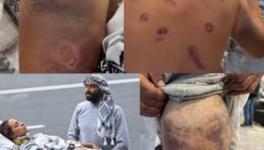
The torment continues for Palestinians still imprisoned by Israeli authorities. These include hundreds of women and girls, the Palestinian Prisoners’ Society (PPS) warned recently. Among them is Fidaa Assaf, imprisoned since early 2025 despite being diagnosed with leukemia. “Despite her critical condition, Assaf remains imprisoned and faces numerous violations within the prisons, including starvation, psychological and physical torture, humiliation, deliberate medical neglect, and detention in harsh and degrading conditions,” PPS stated.
Health workers represent another prominent group among those imprisoned. After the news of the carceral death of paramedic Hatem Ismail Abdullatif Rayyan, kidnapped by Israeli Occupation Forces (IOF) on December 27, 2024, from Kamal Adwan Hospital, solidarity groups have demanded the urgent release of all imprisoned nurses, doctors, and other health professionals. Their families have similarly called for action, describing the torture they face daily in Israeli camps and prisons.
“During his detention, he has been subjected to brutal physical and psychological torture, severe beatings, and medical neglect that has resulted in serious head and eye injuries, in addition to a herniated disc and high blood pressure,” Israa Al-Qouqa, wife of surgeon Murad Al-Qouqa, told Healthcare Workers Watch.
“I live every day in constant fear for my husband’s life and the news of paramedic Hatem’s martyrdom has only intensified my terror,” she also stated. “If a paramedic, whose mission was to save lives and treat the sick, was martyred in prison, how can my fears not grow for my husband when he lacks healthcare and protection?”
People’s Health Dispatch is a fortnightly bulletin published by the People’s Health Movement and Peoples Dispatch. For more articles and to subscribe to People’s Health Dispatch, click here.
Courtesy: Peoples Dispatch
Get the latest reports & analysis with people's perspective on Protests, movements & deep analytical videos, discussions of the current affairs in your Telegram app. Subscribe to NewsClick's Telegram channel & get Real-Time updates on stories, as they get published on our website.